 follo
follo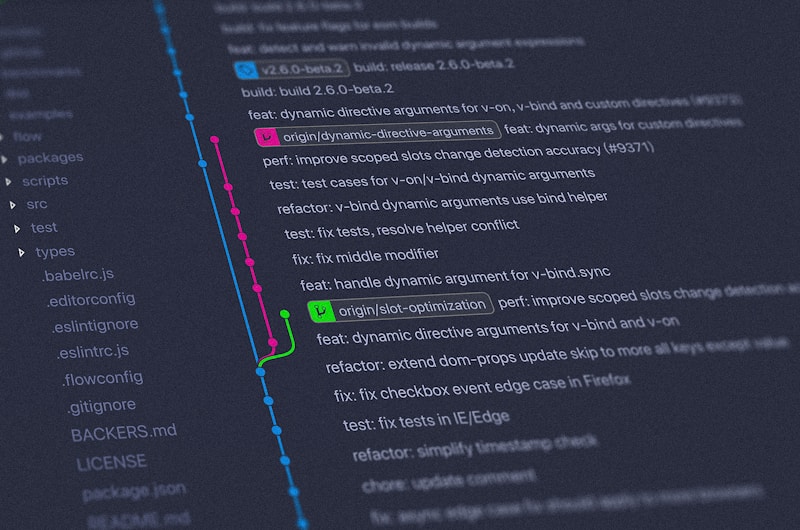
Why Your GitHub Profile Matters to Recruiters
In today's competitive tech job market, your GitHub profile often serves as the first impression you make on recruiters and hiring managers. Many companies now require candidates to include their GitHub handle on job applications, and technical recruiters are trained to scan profiles for red flags that indicate poor code quality, lack of collaboration skills, or unprofessional behavior. Understanding common GitHub profile mistakes that repel recruiters is essential for anyone serious about advancing their career in software development. By identifying and fixing these issues, you can transform your profile from a liability into a powerful asset that opens doors to new opportunities.
Recruiters spend an average of thirty seconds to two minutes reviewing a GitHub profile before deciding whether to move a candidate forward in the hiring process. In that brief window, they form opinions about your coding style, your ability to work with others, your attention to detail, and your passion for development. Making avoidable mistakes during this critical evaluation can cost you job opportunities even if you are technically brilliant. The good news is that most of these mistakes are easy to fix once you know what to look for.
The Empty Profile Problem
The most common and damaging mistake developers make is having a GitHub profile with few or no repositories. An empty or nearly empty profile signals to recruiters that you either have no real coding experience, have nothing you are proud enough to share, or do not use version control professionally. Even if you have years of professional experience coding on private corporate repositories, recruiters cannot evaluate what they cannot see. If you are employed and cannot share proprietary code, create personal projects, contribute to open source, or write coding challenges that demonstrate your abilities. A profile with even three or four well-crafted projects is infinitely better than a profile with nothing.
Your GitHub profile is your technical resume. Just as you would not submit a blank resume to a job application, you should not present an empty GitHub profile to the world. If you are new to development and do not have many projects yet, start small. Build a simple application, write a utility script, or contribute documentation to an open source project. Every repository you create and share adds credibility to your profile and gives recruiters evidence of your skills.
Poor Quality README Files
A repository without a README file is like a book without a cover. Recruiters looking at your repositories need to understand what the project does, why it exists, and how to use it. Repositories that lack README files or have minimal, poorly written READMEs signal that you do not communicate well or that you do not care about how others perceive your work. This is one of the most common GitHub profile mistakes that make you look amateurish. Every repository you pin to your profile should have a comprehensive README that includes a project description, installation instructions, usage examples, and any relevant configuration details.
Beyond basic information, your README should demonstrate professional communication skills. Use clear language, proper grammar, and consistent formatting. Include badges for build status, test coverage, and license information to show that you follow industry standards. Add a table of contents for longer READMEs. If your project has a live demo, include a link. If you have screenshots or GIFs showing the application in action, embed them. A polished README tells recruiters that you are thorough, communicative, and care about quality in all aspects of your work, not just in code.
Forked Repositories Without Contributions
Filling your GitHub profile with forked repositories that contain no meaningful changes is a common mistake that repels recruiters. When a recruiter sees dozens of forks with no original work, they cannot determine what you actually contributed. Your profile should primarily showcase original repositories or forks where you have made substantial, clearly documented contributions. If you have forked a project to contribute, make sure your changes are visible in the commit history and described in the pull request. Using the fork as your primary repository without contributing back to the original project can also be seen negatively, as it suggests you take code without giving back to the community.
If you need to use a forked repository for a personal project, rename it and clearly document what changes you made. Better yet, build your own projects from scratch whenever possible. Original work is always more impressive to recruiters than modified copies of existing projects. When you do fork repositories for contribution purposes, clean up your fork list periodically. Remove old forks that you no longer use or that contain no meaningful work. A clean, curated repository list is far more impressive than a long list of untouched forks.
Messy Commit History
Your commit history tells a story about how you work. Recruiters often review commit histories to understand your development process, coding habits, and attention to detail. A commit history filled with messages like "fixed stuff," "update," "asdf," or "final version" suggests disorganized thinking and poor version control practices. On the other hand, a clean commit history with descriptive, conventional commit messages signals professionalism and discipline. Each commit should represent a logical unit of change with a message that clearly explains what was changed and why. Using conventional commit format with types like feat, fix, docs, and refactor demonstrates that you follow industry best practices.
Beyond commit messages, the structure of your commit history matters. Commits that are too large make it difficult to understand what changed and why. Commits that are too small create noise and clutter. Aim for commits that are large enough to represent a coherent change but small enough to be reviewed easily. If you have a messy commit history on an important repository, consider using interactive rebase to clean it up before sharing the repository publicly. Squashing related commits and rewriting unclear messages can transform a chaotic history into a professional one that impresses recruiters.
No Contribution Graph Activity
The contribution graph on your GitHub profile provides a visual representation of your coding activity over time. Recruiters often glance at this graph to gauge your consistency and passion for coding. A sparse or empty contribution graph can be a red flag, even if you do excellent work in private repositories. The contribution graph tracks commits, pull requests, issues, and reviews in public repositories. If your graph shows long gaps with no activity, recruiters may question your dedication to continuous learning and improvement. While everyone takes breaks, consistent activity is generally viewed positively in the tech industry where continuous learning is highly valued.
To improve your contribution graph without gaming the system, make a habit of contributing to open source or personal projects regularly. Even small contributions like fixing typos in documentation, updating dependencies, or responding to issues count toward your activity. Set a goal to make at least one meaningful contribution per week. This consistent activity signals to recruiters that coding is not just your job but your passion. It also has the side benefit of improving your skills, expanding your network, and building your reputation in the developer community.
Lack of Organization and Structure
A disorganized GitHub profile reflects poorly on your ability to manage projects and work systematically. Repositories with inconsistent naming conventions, missing topics and tags, and no categorization make it difficult for recruiters to understand your areas of expertise. Use repository topics to tag your projects with relevant technologies like JavaScript, Python, React, machine learning, or API. Add a clear and consistent naming convention to your repositories. Group related projects and archive old ones that are no longer relevant. Creating a well-organized profile shows that you are thoughtful, systematic, and considerate of the user experience of people visiting your profile.
Overlooking the Profile README
One of the biggest GitHub profile mistakes is not creating a profile README. The profile README appears at the top of your GitHub profile and is one of the first things recruiters see. A good profile README introduces who you are, what you do, and what you are looking for. It can include links to your portfolio, blog, LinkedIn, and other professional profiles. You can add a list of technologies you work with, showcase your latest blog posts, or display your GitHub stats with badges. A well-crafted profile README personalizes your profile, makes it memorable, and provides recruiters with a quick overview of your professional identity.
Broken Links and Outdated Information
Recruiters who click on links in your GitHub profile only to find broken pages or outdated information will form a negative impression of your attention to detail. Check every link in your profile README, repository READMEs, and pinned repositories regularly. Update website URLs, fix broken links, and remove references to projects that no longer exist. Outdated information is particularly damaging because it suggests that you have abandoned your profile and may not be actively maintaining your skills. Keep your profile current by reviewing and updating it at least once per quarter.
Frequently Asked Questions
Is it bad to have no GitHub profile at all?
Yes, having no GitHub profile is a significant disadvantage in today's job market. Many technical recruiters and hiring managers expect to see a GitHub profile as part of their candidate evaluation process. Not having one can lead to assumptions that you lack version control experience, have nothing to showcase, or are not engaged with the developer community. Even if you are a junior developer with limited experience, creating a GitHub profile and populating it with projects is highly recommended.
Can recruiters see private repositories?
Recruiters cannot see the contents of private repositories unless you explicitly grant them access. However, your private repository count is visible on your profile. Having many private repositories and few public ones can signal to recruiters that you do work but may be unable to share it due to corporate restrictions. If this applies to you, make an effort to maintain at least a few public repositories with personal projects or open source contributions.
Should I delete old, low-quality repositories?
Yes, you should consider archiving or deleting repositories that do not represent your current skill level or that contain low-quality code. However, be careful not to delete repositories that document your learning journey, as these can show growth. If you keep old repositories, add a note in the README explaining that the project is an early learning exercise and may not reflect your current abilities. This transparency is generally viewed positively by recruiters.
Does the order of pinned repositories matter?
Yes, the order of pinned repositories matters. Recruiters typically scan pinned repositories from left to right and top to bottom. Place your strongest, most impressive project in the first position. Consider ordering your pinned repos to tell a narrative about your skills. For example, you might lead with a full-stack application, follow with a backend project, then a front-end project, and so on. The first repository should be the one that best represents your abilities and career goals.
How do I know if my GitHub profile is repelling recruiters?
Ask a trusted colleague or mentor to review your profile and provide honest feedback. You can also review your profile analytics if you have GitHub Pro. Common warning signs include low engagement on your repositories, no recent activity, messy commit histories, and pinned repositories with incomplete documentation. If you have applied for jobs and received interviews but no offers, your GitHub profile may be one of several factors affecting your candidacy. Addressing the mistakes outlined in this guide will significantly improve how recruiters perceive you.